Best Time to Visit Page, Arizona
There is no single best month to visit Page. The right time depends on what you are trying to do. If you want to photograph light beams in Antelope Canyon, you need to visit between late March and mid-October. If you want the lowest hotel rates, come in November or January. If you want to avoid monsoon thunderstorms, skip mid-July through August. And if you want to day-trip to the Grand Canyon's North Rim, you cannot come between December and mid-May because the road is closed.
Page sits at 4,300 feet in the high desert, which means large temperature swings between day and night, almost no rain for most of the year, and a violent monsoon season that arrives in early July and lingers through September. Understanding those patterns before you book makes the difference between a comfortable trip and one spent fighting heat, crowds, or cancelled tours.
The Short Answer
For most travelers, the two best windows are mid-April through late May and mid-September through late October. In both periods, daytime highs sit in the 65–82°F range, nights are cool, the air is dry, and crowds are below summer peak. Light beams are visible in Antelope Canyon during both windows.
The single sweetest stretch is mid-May to early June: the longest daylight hours of the year, the driest air, light beams at peak intensity, and the summer crowd surge has not fully arrived. The tradeoff is that hotel prices climb sharply in May.
The single roughest stretch is mid-July to mid-August: afternoon highs push 95–100°F, monsoon thunderstorms force Antelope Canyon closures on short notice, and hotel prices are at their highest. If you have flexibility, move your trip two weeks earlier or later and the experience improves measurably.
Page Weather by Season
Spring (March–May)
March is still cold — highs around 63°F, lows near 40°F, and a chance of light snow. By May, highs reach the low 80s and lows are in the mid-50s. Spring is dry except for occasional late-season storms. Wind is the main story: March and April regularly see sustained winds of 20–30 mph with gusts above 40 mph, which can make exposed overlooks like Horseshoe Bend feel significantly colder than the thermometer suggests. Light beams begin appearing in late March and strengthen through April and May.
Summer (June–August)
June is hot and dry — highs in the low to mid-90s, almost no rain. July and August add the monsoon: moist air from the Gulf of California produces afternoon thunderstorms, typically building between 1 p.m. and 4 p.m. and dissipating by evening. August is the wettest month, though "wet" is relative — Page averages less than an inch of rain for the entire month. The storms are brief but intense, with lightning and flash flood risk. Mornings are almost always clear. Highs peak in July around 96–99°F.
Fall (September–November)
September starts warm — highs in the upper 80s — but cools rapidly after Labor Day. By October, highs are in the low 70s and lows drop into the upper 40s. The monsoon typically winds down by mid-September. Light beams remain visible until mid-October. This is the most balanced season for most visitors: comfortable temperatures, manageable crowds, dry air, and good light.
Winter (December–February)
December and January are cold — highs in the mid-40s, lows in the upper 20s. Snow is light and infrequent, usually melting within 24–48 hours. The sun is intense even in winter due to the high elevation and clear skies. Antelope Canyon light beams are gone. Tour schedules are reduced. The North Rim of the Grand Canyon is closed. The tradeoff is the lowest prices and thinnest crowds of the year.
Month-by-Month Breakdown
| Month | Avg high | Avg low | Rain | Crowd level | Price tier | Best for / watch out |
|---|---|---|---|---|---|---|
| January | 46°F | 31°F | 0.6 in | Lowest | Low | Solitude; no light beams; reduced hours |
| February | 53°F | 36°F | 0.5 in | Low | Low | Quiet; windy; no light beams |
| March | 63°F | 42°F | 0.6 in | Low–moderate | Low–moderate | Light beams begin late month; spring break crowds |
| April | 72°F | 49°F | 0.4 in | Moderate | Moderate | Comfortable weather; strong winds |
| May | 82°F | 58°F | 0.2 in | Moderate–high | Moderate–high | Peak light beams; dry; prices climbing |
| June | 94°F | 68°F | 0.2 in | High | High | Hot but dry; light beams strong; long days |
| July | 98°F | 72°F | 0.6 in | Peak | Peak | Peak heat; monsoon arrives mid-month; tour closures |
| August | 95°F | 70°F | 0.8 in | Peak | Peak | Wettest month; most tour closures; lightning risk |
| September | 87°F | 61°F | 0.8 in | High–moderate | High–moderate | Post-Labor Day crowds drop; monsoon fades mid-month |
| October | 73°F | 48°F | 0.9 in | Moderate | Moderate | Best all-around month; light beams fade late month |
| November | 57°F | 36°F | 0.5 in | Low | Low | Low prices; no light beams; mild days |
| December | 46°F | 29°F | 0.5 in | Lowest | Low | Cheapest rates; short days; holiday week exception |
Best Time by Traveler Type
| Traveler priority | Best window | Avoid |
|---|---|---|
| Antelope Canyon light beams | Mid-May – early July, midday slots | November – February |
| Lowest hotel prices | Mid-November – early December; January – February | Memorial Day – Labor Day; holiday weeks |
| Fewest crowds | January; mid-November | July 4 week; spring break; Memorial Day |
| Comfortable hiking weather | April – May; October – November | June – August afternoons |
| Lake Powell swimming / boating | June – September | November – March (cold water, reduced services) |
| Photography (landscapes, not beams) | Mid-October – early November | March – April (wind-driven dust haze) |
| First-time family visit | Mid-April – late May; mid-September – October | Mid-July – mid-August (heat + storms) |
| Day trips to Grand Canyon North Rim | Mid-May – mid-October | December 1 – May 15 (road closed) |
| Zion National Park without shuttle crowds | December – February (drive your own car) | March – November (shuttle required, crowded) |
How Season Affects Specific Activities
Antelope Canyon
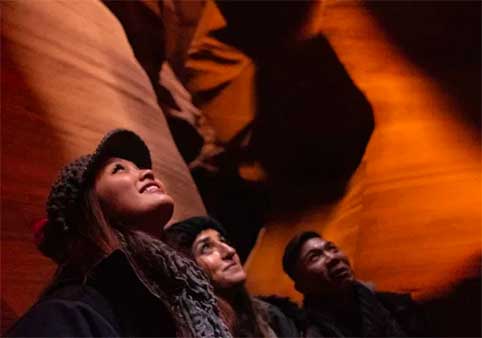
Light beams are visible from late March through mid-October, with the strongest beams in May, June, and early July. Book the 11 a.m.–1:30 p.m. time slot for the best chance. From November through February, the canyon is still beautiful but you will see reflected light, not direct beams.
Monsoon season — mid-July through mid-September — is when Antelope Canyon tours are most likely to close on short notice. Flash flood warnings trigger immediate cancellations, even if the sky above the canyon is clear. If you are visiting during this window, book morning tours (7 a.m.–11 a.m.) when storms have not yet built.
Horseshoe Bend
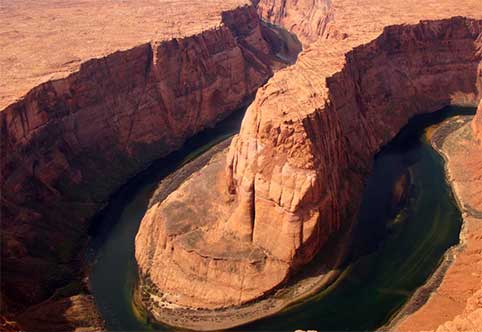
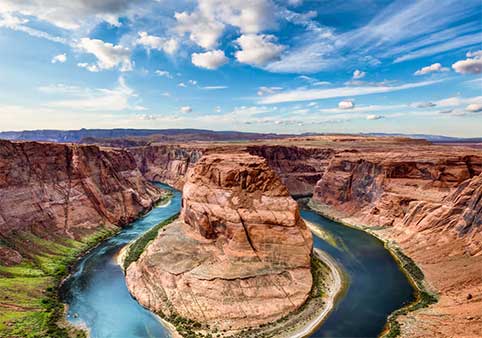
The overlook is open sunrise to sunset, 365 days a year. Summer mornings (before 9 a.m.) and late afternoons (after 6 p.m.) are the most comfortable times to walk the exposed 1.5-mile trail. Midday in July and August is genuinely dangerous: the trail has no shade, temperatures exceed 100°F, and the sandstone radiates heat. Winter visits are cold but uncrowded — bring a jacket for the wind at the rim.
Lake Powell
Boat rentals, houseboats, and swimming are at full operation from Memorial Day through Labor Day. Water temperatures peak in the 70s in July and August. By November, most marinas reduce services and some boat ramps close. Winter houseboat rentals are available but limited. The reservoir's water level fluctuates seasonally — it typically peaks in early summer after snowmelt and declines through fall. Check current levels before booking a houseboat, as low water can affect shoreline access and ramp availability.
Day Trips
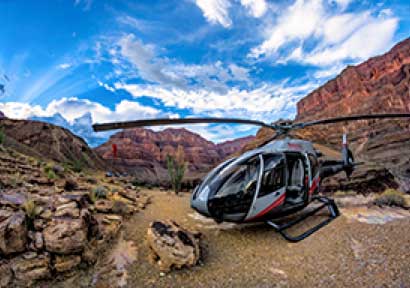
The Grand Canyon North Rim is only accessible from mid-May through mid-October; Highway 67 closes December 1 through May 15. The Zion National Park shuttle runs March through November, which means personal vehicles cannot drive the Zion Canyon Scenic Drive during those months. In winter, you can drive your own car up the canyon — a significant advantage for photographers and those with limited mobility. Monument Valley and Bryce Canyon are open year-round, though snow can make Monument Valley's unpaved loop road impassable without 4WD in winter.
Monsoon Season: What You Actually Need to Know
The North American monsoon is a large-scale wind shift that pulls moist air from the Gulf of California into the desert Southwest. In northern Arizona, the moisture typically arrives in early July and lingers through mid-September. Page receives 40–50 percent of its annual precipitation during these months, mostly in the form of brief, intense afternoon thunderstorms.
What this means for your trip:
- Timing: Storms typically build between 1 p.m. and 4 p.m. and dissipate by evening. Mornings are almost always clear. Plan outdoor activities — especially slot canyon tours and exposed overlooks — for the morning.
- Flash floods: Antelope Canyon and other slot canyons close immediately when the National Weather Service issues a flash flood warning for the drainage. This happens even if the sky above the canyon is blue. Do not argue with a cancellation.
- Lightning: Horseshoe Bend, the Grand Canyon rim, and other exposed overlooks are dangerous during active storms. If you see lightning or hear thunder, head to your vehicle.
- Driving: Highway 89 and local roads can briefly flood during intense downpours. Pull over and wait — these storms rarely last more than an hour.
- Photography: The monsoon produces dramatic skies, rainbows, and golden-hour light that landscape photographers chase. But only from safe, covered vantage points.
Lake Powell Water Level
Lake Powell's water level follows a seasonal pattern: it rises in spring and early summer as snowmelt from the Rocky Mountains flows down the Colorado River, then declines through late summer, fall, and winter as water is released for downstream demand. Over the past two decades, the overall trend has been downward due to reduced snowpack and increased water use across the Colorado River Basin.
For visitors, the practical effect is mainly visible at the shoreline: some boat ramps close or shorten when the water drops, and the distance from parking to the water's edge increases. The marinas at Wahweap and Antelope Point remain operational year-round regardless of water level. If you are renting a boat or houseboat, check the National Park Service's current ramp status before your trip.
Frequently Asked Questions
What is the best month to visit Page, Arizona?
For most travelers, May and October are the two best months. May offers peak light beams, dry air, and long days before the summer heat and crowds arrive. October offers comfortable temperatures, dry weather, and thinning crowds after the summer rush.
When can you see light beams in Antelope Canyon?
Late March through mid-October, with the strongest beams visible from approximately 11 a.m. to 1:30 p.m. The peak beam season is May, June, and early July. By late October the sun angle is too low and the beams disappear.
What is the weather like in Page, Arizona?
High desert: hot, dry summers with temperatures reaching the upper 90s; cold, dry winters with highs in the 40s; mild, windy springs; and pleasant, dry autumns. Annual rainfall is only 6–7 inches, most of it falling during the July–September monsoon season.
Is Page, Arizona hot in the summer?
Yes. June through early September, afternoon highs regularly reach 90–100°F. July is typically the hottest month. The dry air makes the heat more tolerable than in humid climates, but exposed activities like the Horseshoe Bend hike are genuinely uncomfortable in midday summer heat.
Does it snow in Page, Arizona?
Light snow is possible in December, January, and February, but accumulation is minimal — typically 2–4 inches per year. Most snow melts within 24–48 hours. Roads in town usually stay clear. The bigger winter concern is cold mornings, not snow.
When is monsoon season in Page, Arizona?
Mid-July through mid-September, with the heaviest storms in August. The monsoon brings brief, intense afternoon thunderstorms — typically 1 p.m. to 4 p.m. — with lightning and flash flood risk. Mornings are usually clear.
What is the cheapest time to visit Page, Arizona?
Mid-November through early December and January through February offer the lowest hotel rates — typically 25–40 percent below summer peak. The tradeoff is no light beams, reduced tour schedules, and colder temperatures.
When is Lake Powell at its highest water level?
Lake Powell typically peaks in early summer after snowmelt, then declines through fall and winter. The exact elevation changes daily based on releases from Glen Canyon Dam. Check the Bureau of Reclamation's website for the current level.
Is Antelope Canyon open year-round?
Yes, but with reduced hours and fewer daily tours in winter. The canyon closes on Thanksgiving, Christmas Day, and during the Navajo Nation Fair in early September. It also closes immediately during flash flood warnings.
When is the best time to photograph Horseshoe Bend?
Late afternoon offers the best light on the east-facing cliffs and smaller crowds than midday. Sunrise is quiet but can be hazy. Summer midday light is harsh and the trail is dangerously hot. Winter afternoons provide soft light and plenty of space at the rim.
For a detailed packing list by season, see what to pack for Page. For current weather forecasts, visit our Page weather page. To compare seasonal conditions at specific attractions, see Antelope Canyon, Horseshoe Bend, and Lake Powell.
For sunrise and sunset photography at Horseshoe Bend — including the best times, safety tips, and guided photo tours — see Horseshoe Bend tours.
For seasonal photography considerations at Antelope Canyon — including when light beams appear and when crowds are thinnest — see Antelope Canyon photo tips.
Local Business Spotlight