Fishing on Lake Powell
Lake Powell supports a diverse warmwater fishery within Glen Canyon National Recreation Area. Anglers target striped bass, smallmouth bass, largemouth bass, walleye, crappie, channel catfish, bluegill, and several sunfish species. A boat provides access to the most productive water, but shoreline fishing is possible in many areas around the reservoir.
The main planning variables are license rules, boat-ramp access, water level, weather, and seasonal fish movement. Lake Powell conditions can change quickly, especially during low-water periods, so verify current regulations, ramp status, and fish-consumption advisories before fishing.
Planning a Lake Powell Fishing Trip
Start by deciding whether you will fish from shore, rent a boat, bring your own vessel, hire a guide, or use a houseboat as a mobile fishing base. Each option changes where you can fish, how much gear you need, and how carefully you must plan fuel, food, and weather exposure.
| Fishing style | Best suited for | Main planning issue |
|---|---|---|
| Shoreline fishing | Casual anglers, families, and campers | Access, closures, and limited range |
| Rental boat | Independent anglers who want to reach points and canyons | Ramp availability, fuel, wind, and navigation |
| Guided fishing trip | Visitors who want local knowledge and equipment | Confirm what the guide provides and what remains your responsibility |
| Private boat | Experienced anglers with their own gear | Launch access, lake conditions, and state inspection rules |
| Houseboat fishing | Multi-day trips combining camping and fishing | Water depth, anchoring, sanitation, and weather exposure |
For most Page-based visitors, the practical starting points are Wahweap and Antelope Point. Both are close enough for a day trip, but the best fishing water may still require a substantial boat ride. Use Lake Powell to compare marinas, activities, and current access before choosing a launch point.
Licenses and Fishing Regulations
Lake Powell crosses the Utah-Arizona state line, but anglers do not need both state licenses to fish the reservoir. The larger challenge is understanding which state’s rules apply where you are fishing and how current bag limits affect your trip.
Fishing Licenses and State Rules
A valid Utah or Arizona fishing or combination license is valid on the entire lake, whether you are a resident or nonresident. You must still follow the fishing regulations for the state where you are fishing. According to current National Park Service guidance, Arizona requires licenses for anglers age 10 and older on the Arizona portion, while Utah requires licenses for anglers age 11 and older on the Utah portion.
Licenses can be purchased through state wildlife agencies and at some local stores. Buy the license before your tour or boat departure, especially if you are leaving early in the morning. Fishing below Glen Canyon Dam on the Colorado River is different: an Arizona fishing license is required, and trout regulations at Lees Ferry may differ from Lake Powell rules. Review Colorado River trips separately if your plans include the river corridor.
Bag Limits, Bait, and Fish Consumption
Recent Lake Powell regulations list daily limits of 20 smallmouth bass, 5 largemouth bass, 10 crappie, and 25 channel catfish. Striped bass and walleye currently have no daily limit under recent rules. Verify the current state regulations before your trip because limits can change.
Native Colorado River fish—including bonytail, Colorado pikeminnow, humpback chub, and razorback sucker—are protected. Release them immediately and handle them as little as possible. Bait rules also matter. Dead shad or dead striped bass from Lake Powell may be used only under current rules and may not be removed from Glen Canyon, while live bait and baitfish transport are restricted. Check the latest Arizona and Utah regulations rather than relying on an old fishing report.
A mercury consumption advisory applies to striped bass in the southern portion of Lake Powell from approximately mile 43 to Glen Canyon Dam. This is the section closest to Page, so it matters even for anglers who are only visiting for a day. Review the current Utah and Arizona advisory before keeping or eating striped bass.
Fishing Areas and Access Points
Boat access is the main variable on Lake Powell. Low water can close ramps, reduce beach access, and change how far a vessel must be carried to the water. Confirm the current National Park Service ramp table before towing a boat or booking a launch-dependent trip.
Wahweap and Antelope Point
Wahweap, near Page, is the most convenient access point for many southern-lake anglers. It provides access to the main channel, canyon mouths, rocky points, and deeper water used by striped bass, walleye, and bass. Antelope Point, east of Page, is another practical starting point, especially for anglers staying on that side of the reservoir.
Marina areas are not automatically open to fishing. Use designated shoreline or dock-fishing areas where provided, and follow current closures around docks, launch areas, fuel docks, and boat traffic. Fishing may be allowed along much of the Lake Powell shoreline, but do not fish in restricted marina areas or assume that every beach is open.
Wahweap and Antelope Point can be useful for short trips, but productive fishing often requires leaving the developed areas. Wind, boat traffic, and changing water levels can make the nearest fishing spot less practical than it appears on a map.
Side Canyons and Remote Water
The side canyons, rocky points, and submerged structure away from the marinas are where Lake Powell fishing becomes more specialized. Spring striped bass often relate to river inflows and deeper water, while summer and fall fish may move toward points, canyon mouths, and bait schools. Bass anglers frequently work rocky ledges, broken rock, gravel points, and submerged brush. Walleye anglers often focus on points, flats, stained water, and the backs of selected canyons.
Remote fishing requires more preparation. Fuel range, navigation, sudden wind, storm exposure, and emergency communication all become more important away from the marinas. Bullfrog, Halls Crossing, the San Juan arm, and the Escalante arm are far enough from Page that they should be treated as separate trip bases rather than quick add-ons.
Seasonal Fishing Patterns
- Spring: Water movement toward spawning areas improves opportunities for bass, crappie, and walleye. Weather and wind can still change quickly, and mornings may be cold even when afternoons are warm.
- Summer: Early morning and evening are often more productive than midday. Striped bass may feed near the surface when chasing shad, while catfish activity often improves after dark. Heat, monsoon storms, and exposed water make hydration and weather monitoring essential.
- Early fall: Cooling water can keep bass and stripers active. Bait movement toward canyon backs and points can create useful patterns, and surface activity may still be visible early in the day.
- Late fall and winter: Fishing can remain productive, but fewer anglers are on the water and conditions can be cold, windy, or unstable. Services are more limited outside the main season.
Check Page weather before planning a fishing day. Wind can be a larger problem than temperature, particularly for small boats, kayaks, and anglers trying to cross open water to reach a canyon.
Fish Species and Basic Techniques
| Species | Where to start | Basic approach | Current rule note |
|---|---|---|---|
| Striped bass | Main channel, canyon mouths, rocky points, and areas where shad are concentrated | Anchovies or dead shad where permitted, spoons, swimbaits, crankbaits, and topwater during visible surface feeding | No current daily limit; mercury advisory applies in the southern portion of the lake |
| Smallmouth bass | Rocky points, ledges, gravel, and broken rock | Jigs, dropshots, tubes, jerkbaits, and small crankbaits | Recent daily limit: 20 |
| Largemouth bass | Brushy coves, flooded cover, and the backs of canyons | Plastic worms, creature baits, spinnerbaits, and crankbaits | Recent daily limit: 5 |
| Walleye | Points, flats, stained water, and selected canyon arms | Worm harnesses, bottom bouncers, crankbaits, and jigs | No current daily limit; verify current rules |
| Crappie | Submerged brush and cover, especially in spring | Small jigs, spinners, and live bait where permitted | Recent daily limit: 10 |
| Channel catfish | Sandy flats, coves, and shoreline areas after dark | Anchovies, cut bait, and prepared bait | Recent daily limit: 25 |
| Bluegill and sunfish | Near shore, around cover, and around docks where fishing is allowed | Small jigs, spinners, flies, and worms | Common and useful for beginners |
Northern pike are occasionally reported but are not a reliable target species for most Lake Powell anglers. Conditions change with water level, bait location, and weather, so local fishing reports can be useful immediately before your trip.
Boats, Guides, and Safety
A guide is useful if you are unfamiliar with Lake Powell, do not have the right boat, or want help interpreting electronics and seasonal patterns. A rental boat offers more freedom but puts navigation, weather decisions, and equipment choices on you. Compare current options through Lake Powell boat rentals and guided adventures.
For a multi-day fishing trip, a houseboat can serve as lodging and a base camp. That adds anchoring, sanitation, fuel, and beach-selection decisions to the trip. Review Lake Powell houseboats and camping and RV options before combining overnight lodging with fishing.
Safety should be part of the fishing plan. Wear a life jacket when appropriate, carry more drinking water than you expect to need, and monitor wind and storm forecasts. File a basic float plan with someone on shore, especially if you are fishing a remote canyon. Do not count on cell service in every side canyon.
Quagga mussels are established in Lake Powell. Follow current Clean, Drain, and Dry requirements for boats, motors, trailers, anchors, and gear to reduce the risk of spreading invasive species. Anglers bringing a boat from outside the area should check state inspection requirements before arriving.
Frequently Asked Questions
Do you need a fishing license to fish Lake Powell?
Yes. A valid Utah or Arizona fishing license is required at the applicable age threshold. One license is valid for the entire lake, but you must follow the regulations of the state where you are fishing.
Can you fish from the shore at Lake Powell?
Yes, much of the shoreline is open to fishing. Access, marina restrictions, private-property boundaries, cultural closures, and low-water conditions still matter. Use designated fishing areas around marinas where provided.
Do you need a boat to fish Lake Powell?
No, but a boat greatly expands your options. Shoreline anglers can catch fish near accessible beaches and coves, while boat anglers can reach deeper water, rocky points, submerged brush, and remote canyons.
When is the strongest fishing season at Lake Powell?
Spring and fall are often the most productive general fishing seasons. Summer can produce strong striped bass activity early and late in the day, while winter fishing is usually more weather-dependent.
What is the striped bass consumption advisory?
A mercury advisory applies to striped bass in the southern portion of Lake Powell from approximately mile 43 to the dam. Check the current Utah and Arizona fish-consumption guidance before keeping or eating striped bass.
Can you keep striped bass at Lake Powell?
Recent Lake Powell rules have no daily limit on striped bass, but anglers should review the current regulations and consumption advisory. Rules for bait use, transport, and disposal may also apply.
Where can you fish near Wahweap or Antelope Point marinas?
Shoreline fishing may be available near accessible areas, but general marina areas can be restricted. Use designated fishing docks or shoreline areas where provided and follow current signs and closures.
Can you hire a fishing guide from Page?
Yes, guided fishing trips may be available through local and lake-based operators. Confirm whether the trip includes a boat, tackle, bait, licenses, park fees, fish cleaning, and transportation before booking.
Arizona Private Tours
Custom Options Available | Family-Friendly | Tours from Flagstaff
Horseshoe Bend Air Tour
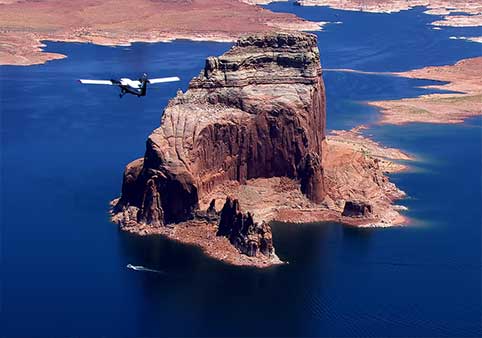
Las Vegas To Antelope Canyon Airplane Tour
This thrilling Antelope Canyon tour begins with a sightseeing airplane flight from Boulder City, Nevada, to Page, Arizona. En route, you'll enjoy aerial views of Lake Mead, Hoover Dam, and Glen Canyon. Transport awaits at Page Airport to escort passengers to some of the world-famous des … More
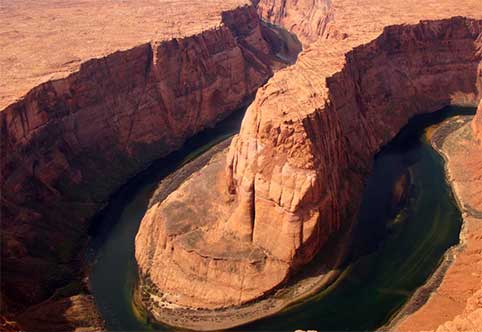
This thrilling Antelope Canyon tour begins with a sightseeing airplane flight from Boulder City, Nevada, to Page, Arizona. En route, you'll enjoy aerial views of Lake Mead, Hoover Dam, and Glen Canyon. Transport awaits at Page Airport to escort passengers to some of the world-famous destinations in this area. The adventure begins with a stop at the Horseshoe Bend overlook, the 270° curve of the Colorado River that has long been a photographer's favorite. This viewpoint is just a short hike before you encounter the iconic scenery.
The next stop in the journey is nearby Antelope Canyon for a guided tour of its interior wonder. Led by a Navajo guide, the winding slot canyon offers unique views you won't capture anywhere else, so have your camera ready. You'll explore the twisting canyon floor created by rippling stone walls and enjoy picturesque moments.
Family-Friendly | Tours from Las Vegas
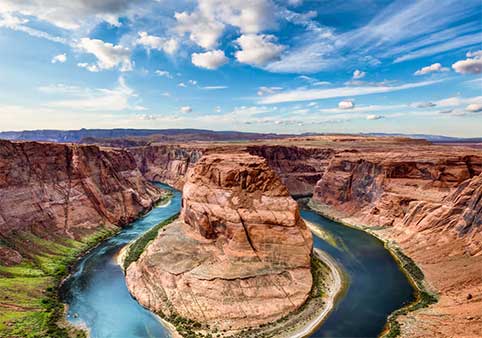
Horseshoe Bend Flightseeing Tour
Family-Friendly
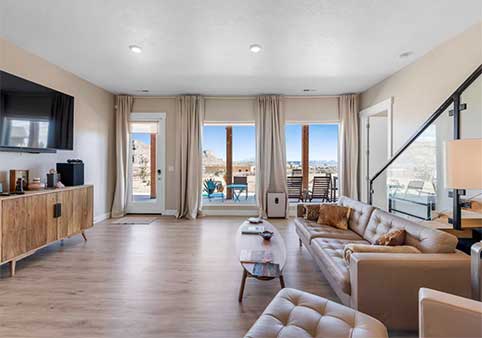
Lake Powell Sunrise Villa by Antelope Canyon
Firepits | Optimal Stargazing | Family-Friendly

Lake Powell Taxi Services
Private Tour | Custom Options Available | Native (Dine) Operated | Family-Friendly
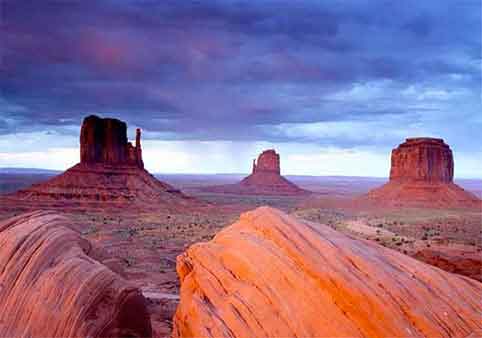
Monument Valley Air and Ground Tour from Phoenix
Tours from Phoenix
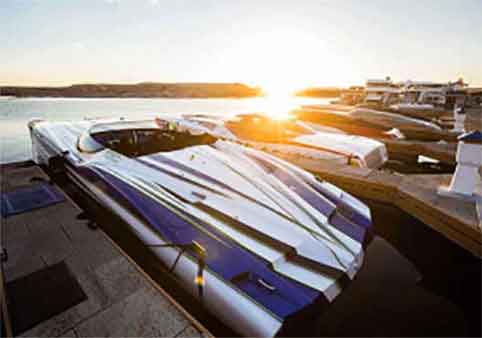
Antelope Point Marina
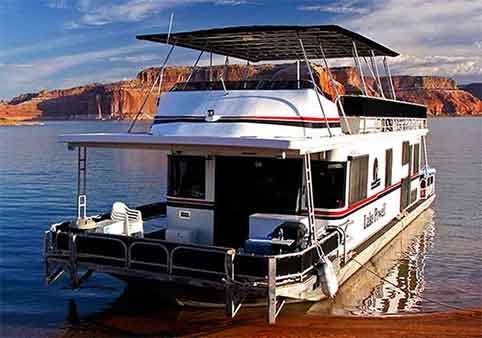
Lake Powell Resorts & Marinas
Pet-Friendly
Local Business Spotlight